New Photo-first collectible research

Antique Identifier by Picture

Upload one clear picture to explore what an antique may be, which clues support the match, and what detail to photograph next.

  • One full-item picture to start
  • Marks, signatures and condition clues
  • Research range, not a formal appraisal

Antique Identifier by Picture

Identify an Antique from One Clear Picture

Use the photo-first antique identifier with a full-item picture. A sharp close-up of the maker mark, hallmark, signature, label or damage area can improve your next research step.

Ready to research

Drop your antique picture here

or choose a picture from your device

Start with the complete object so its shape and proportions remain visible.

After the first scan, use a close-up of the underside, mark, signature, label or repair when that detail matters.

Supports JPG, PNG, and WEBP · Max 10MB

Picture research examples

What an Antique Identifier by Picture Can Show

A photo result should explain more than a name. These examples connect a likely match with category, era, value factors, risks and the next useful picture.

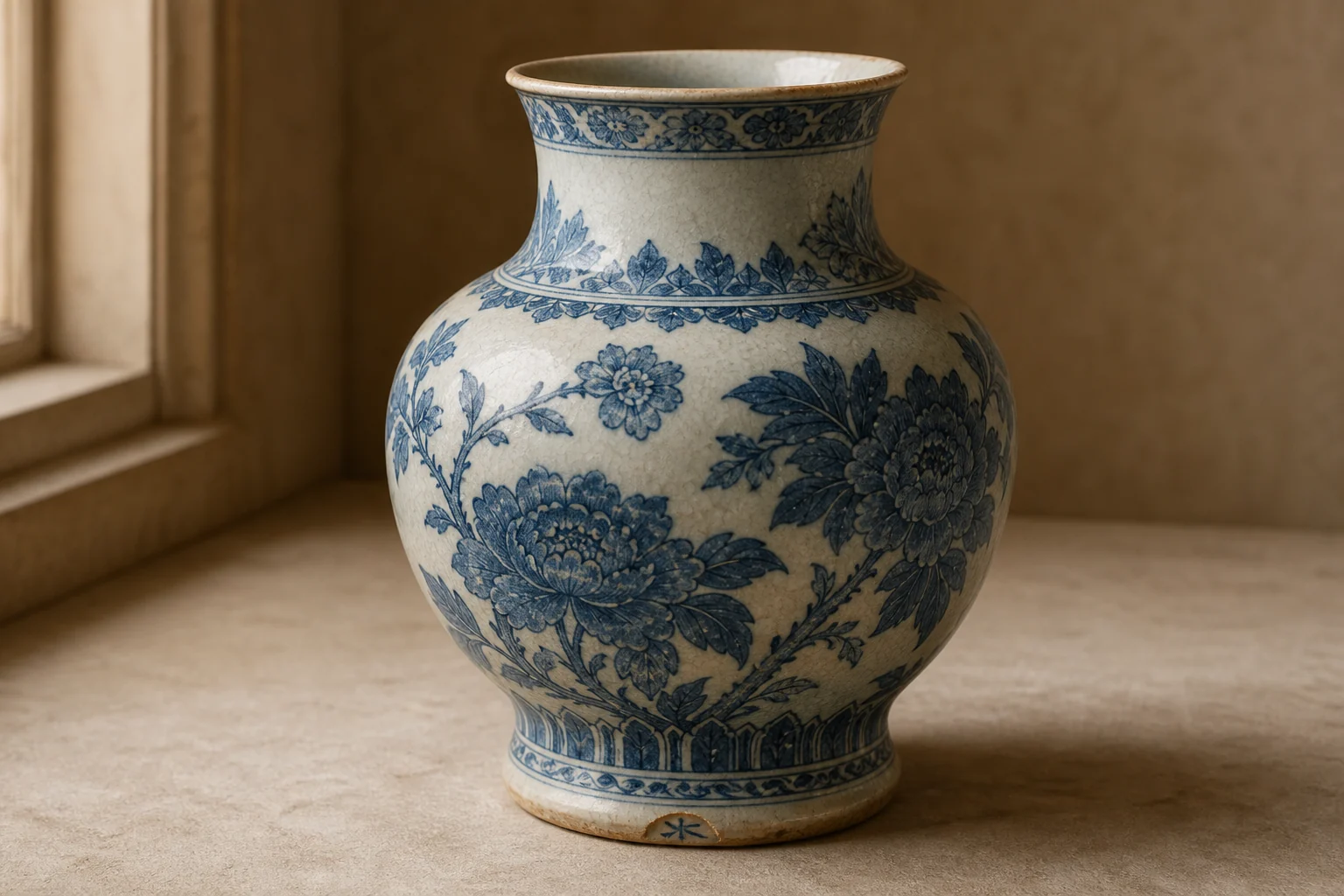
Sample blue-and-white porcelain vase for antique identification Sample Scan

Picture Research Result

Blue-and-White Porcelain Vase

Research ConfidenceModerate

Estimated Range $180–$320
Category
Pottery & Porcelain
Visible Condition
Condition needs close-up review

Evidence Clues

  • Blue floral transfer pattern
  • Aged crazing across the glaze
  • Decorative vase form and foot ring

What May Change the Value

  • Condition and restoration
  • Maker mark, hallmark or signature
  • Completeness and sale context

Possible Lookalikes

Transferware vase · Decorative earthenware

Risk Flag

  • Backstamp not visible
Next Photo:

Show the underside mark in even light.

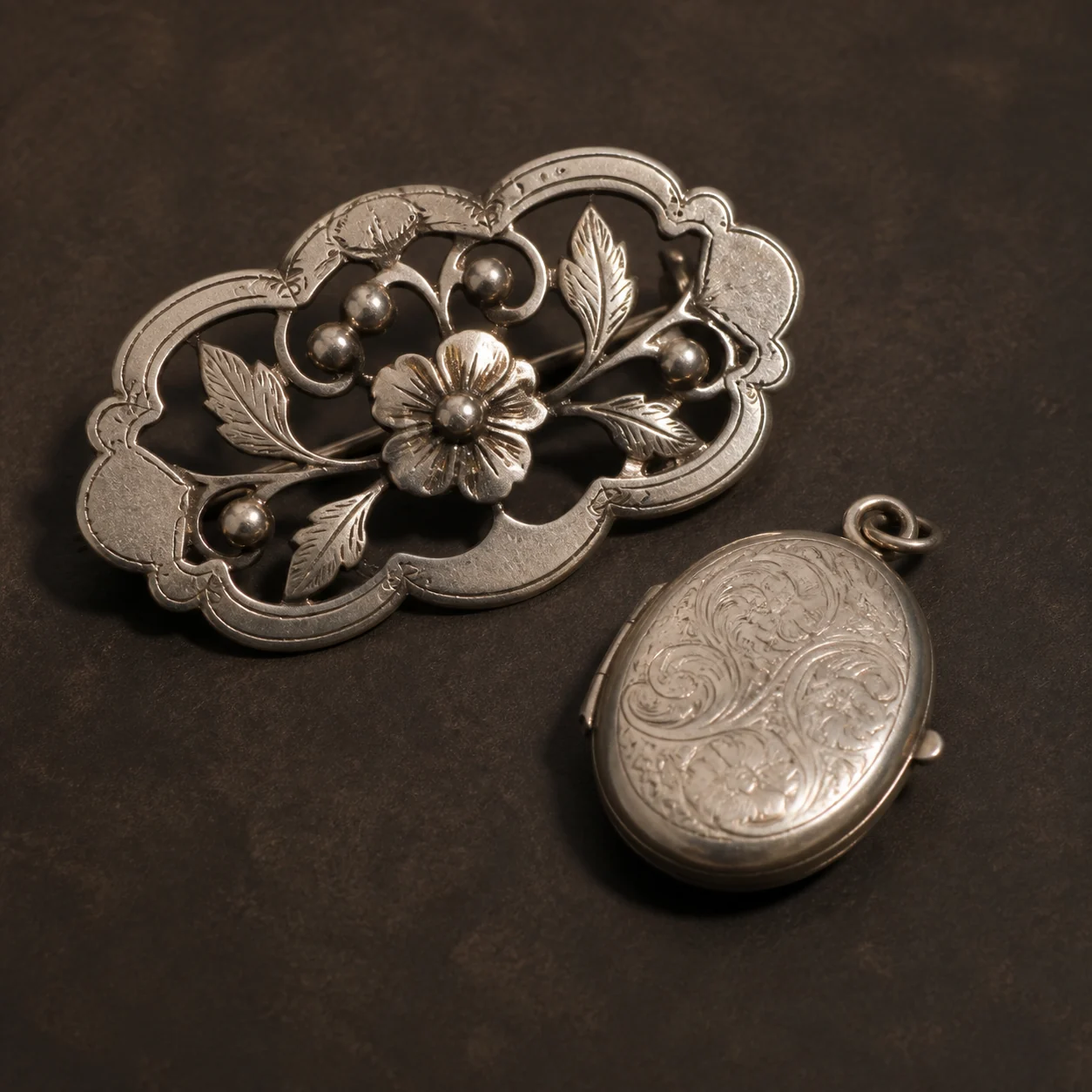
Sample antique silver brooch and locket for hallmark identification Sample Scan

Picture Research Result

Sterling Silver Floral Brooch

Research ConfidenceModerate

Estimated Range $95–$240
Category
Jewelry & Silver
Visible Condition
Condition needs close-up review

Evidence Clues

  • Hand-engraved floral details
  • Raised construction and aged silver patina
  • Decorative form consistent with early 20th-century jewelry

What May Change the Value

  • Condition and restoration
  • Maker mark, hallmark or signature
  • Completeness and sale context

Possible Lookalikes

Silver-plated brooch · Costume jewelry

Risk Flag

  • Hallmark needs a readable close-up
Next Photo:

Photograph the clasp, reverse and hallmark together.

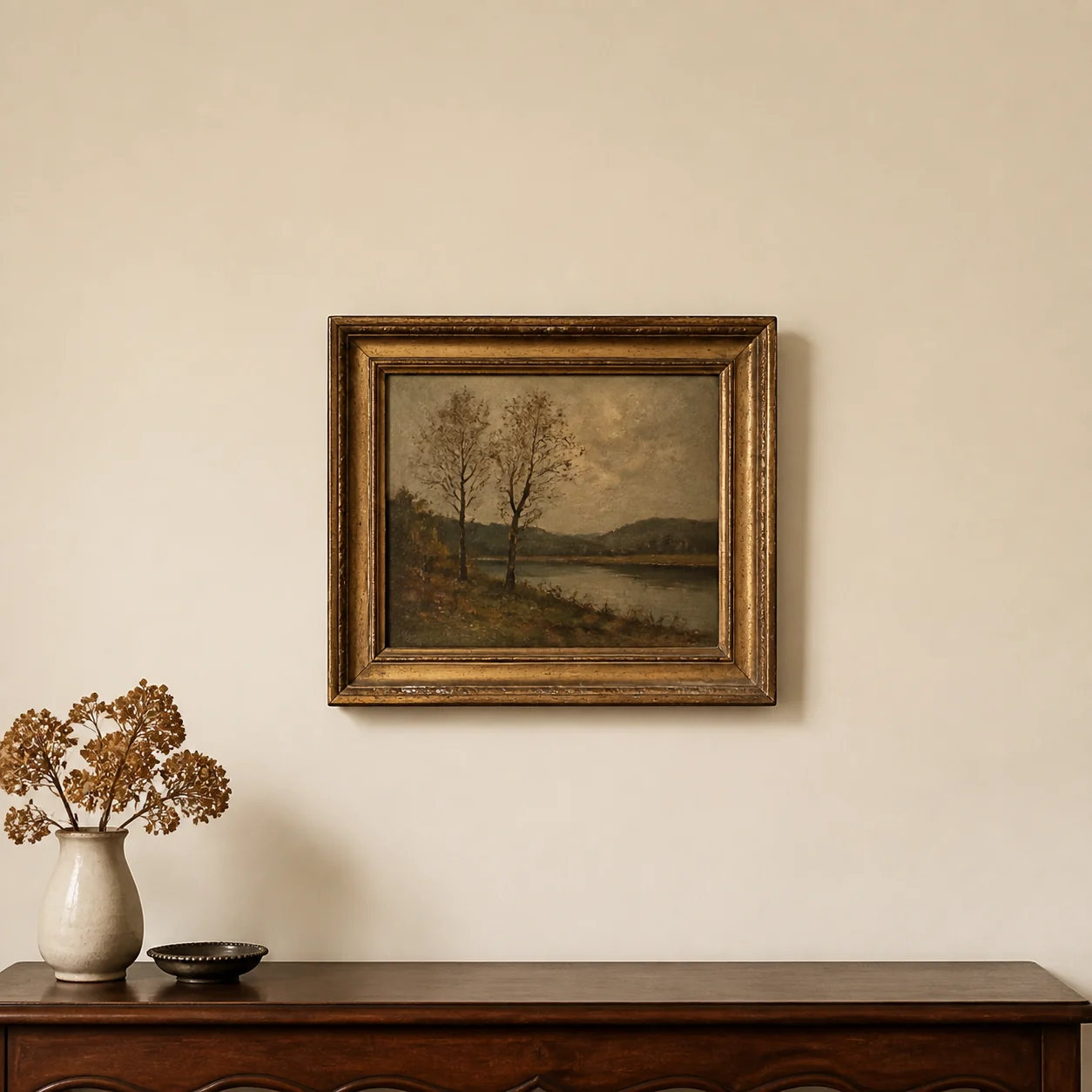
Sample framed antique landscape painting for artist signature research Sample Scan

Picture Research Result

Framed Landscape Oil Painting

Research ConfidenceModerate

Estimated Range $250–$700
Category
Art & Signature
Visible Condition
Condition needs close-up review

Evidence Clues

  • Aged oil surface and muted landscape palette
  • Gilded frame with visible wear
  • Signature area requires a closer crop

What May Change the Value

  • Condition and restoration
  • Maker mark, hallmark or signature
  • Completeness and sale context

Possible Lookalikes

Decorative reproduction · Regional landscape study

Risk Flag

  • Signature cannot be attributed from this view
Next Photo:

Add a sharp signature and reverse-label photo.

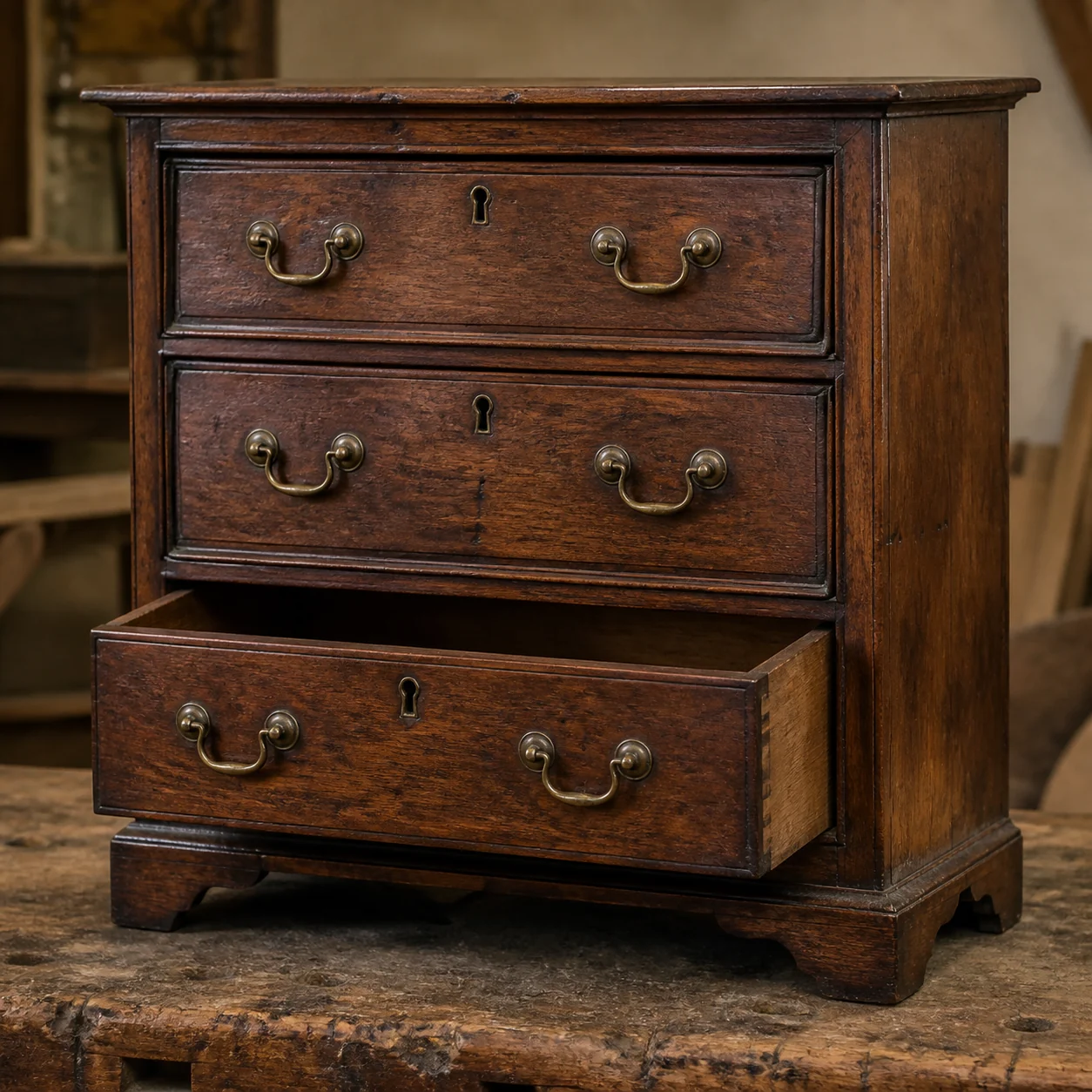
Sample antique walnut chest with aged brass drawer hardware Sample Scan

Picture Research Result

Walnut Chest with Aged Brass Hardware

Research ConfidenceModerate

Estimated Range $320–$950
Category
Furniture & Decor
Visible Condition
Condition needs close-up review

Evidence Clues

  • Deep walnut grain and aged finish
  • Brass drop handles with surface wear
  • Visible drawer construction and feet

What May Change the Value

  • Condition and restoration
  • Maker mark, hallmark or signature
  • Completeness and sale context

Possible Lookalikes

Later reproduction · Refurbished vintage chest

Risk Flag

  • Joinery and provenance still need review
Next Photo:

Show the back, underside, joinery and hardware details.

These are demonstrations, not appraisals. A picture can suggest research directions, but it cannot prove authenticity, provenance, condition or a guaranteed sale price.

How the picture identifier works

How to Identify an Antique by Picture

Keep the first attempt simple, then use the result to decide what evidence deserves a closer picture.

  1. 01

    Upload the complete item

    Choose a sharp JPG, PNG or WEBP picture with the object filling most of the frame. You do not need to select a category before uploading.

  2. 02

    Read the clues behind the match

    Review the likely identity, inferred category, estimated era, possible origin, visible condition, value factors, lookalikes and risk flags.

  3. 03

    Take the next useful picture

    Follow the recommendation for an underside, backstamp, hallmark, signature, label, repair, hardware or construction close-up before treating the result as settled.

Picture quality matters

How to Photograph an Antique for Identification

An antique identifier by picture can only use details that remain visible. A few practical choices make the result more useful without requiring studio equipment.

Show the whole object

Begin with the complete item on a quiet background. Shape, scale and proportions help separate similar decorative objects.

Use soft, even light

Avoid glare on glaze, glass and polished metal. Diffused daylight usually preserves more surface detail than a hard flash.

Make marks readable

Photograph a backstamp, hallmark, signature or label straight on, close enough to read, without cropping away its surrounding context.

Show condition honestly

Include chips, cracks, repairs, missing parts, worn finishes and replaced hardware when they may affect identification or value.

What the tool compares

Which Visual Signals Help an Antique Identifier by Picture

The strongest research result usually comes from several signals considered together rather than one decorative feature or a confident-sounding label.

Shape and proportion

Overall form, scale, profile, handles, feet, seams and repeated design features can narrow the family of objects being compared.

Marks and signatures

A readable maker mark, hallmark, signature, label or serial mark can add a useful lead, but a mark still needs context and professional checking.

Material and construction

Glaze, patina, wood grain, canvas, joinery, hardware and manufacturing details help distinguish an older object from a later lookalike.

Condition and context

Restoration, completeness, provenance, purchase setting, size and sales channel can change a value range even when the object name seems similar.

The result is an AI-assisted research starting point. It is not a formal appraisal, authentication certificate, insurance valuation, laboratory test or guaranteed sale price.

Antique identifier by picture FAQ

Questions About Identifying Antiques from Pictures

Clear answers about picture quality, marks, value ranges, uncertainty, privacy and the next research step.

Can I identify an antique by picture?

Yes. Upload a clear picture to explore a likely identity, broad category, estimated era, possible origin, visible clues and the next detail worth photographing. Treat it as research guidance, not a final identification.

What is the best picture for antique identification?

Start with a sharp picture of the complete item in even light. Keep the object large in the frame, then add close-ups of marks, signatures, labels, the underside, damage or construction details.

Do I need to choose a category first?

No. The first picture is used to infer a broad category such as pottery, jewelry, art or furniture. Choosing a category before uploading is not required for the first scan.

Can a picture identify a pottery mark or hallmark?

A readable close-up can provide useful maker-mark or hallmark clues. Photograph the full underside or reverse as well as the mark so size, placement and surrounding construction remain available.

Can the tool tell me what my antique is worth?

It may provide an estimated market range when the picture contains useful evidence. Condition, restoration, completeness, rarity, provenance and the sales channel can move the range, so it is not a guaranteed price.

Is a picture result a formal appraisal or authentication?

No. A photo-based result cannot certify authenticity, exact age, provenance, insurance value or final sale price. Use a qualified appraiser, conservator, jeweler or auction specialist when certainty matters.

What should I photograph after the first result?

Follow the recommended next picture. Common high-value details include a backstamp, hallmark, signature, label, underside, repair, joinery, hardware or both sides of a small object.

What happens if my antique picture is blurry?

The tool may return a broad candidate, show lower confidence or ask for a better picture. Retake the full object in even light and keep the key mark or signature in focus.

Are my uploaded antique pictures private?

The selected picture remains in your browser until you submit it. Once submitted, it is sent to the identification service for processing. Review the Privacy Policy for current processing and retention details.

Ready to check your find?

Start with One Clear Antique Picture

Use the picture result to organize your next question, close-up and research decision. When evidence is weak, the tool points out what to photograph next.

Sign in to Mark & Era

Access your collectible research usage, account, and billing history.

Your collectible photo is sent for research only after you submit it.